Nigel Utton
Author
Biography
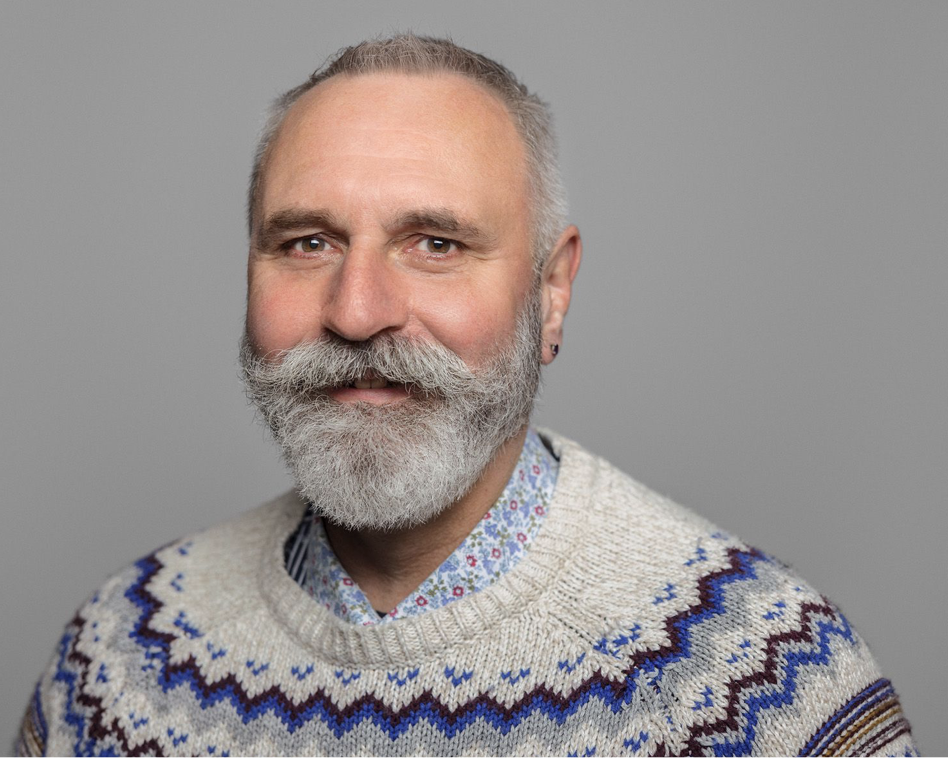
The Guardian Newspaper carried an article in July 2019 explaining Nigel’s extraordinary journey from Church of England School Headteacher, married with three children, to coming out as a gay man, rejecting his career in the English education system, being elected onto Norwich City Council and going back to university at the age of 50 to train as an osteopath. Since that time he has trained in Dolores Cannon’s Quantum Healing Hypnosis Technique – taking clients back through a wide variety of past lives.
He currently resides in a village south of Norwich in the East of England where he has a clinic specialising in Craniosacral Therapy, counselling, massage and past life regression.
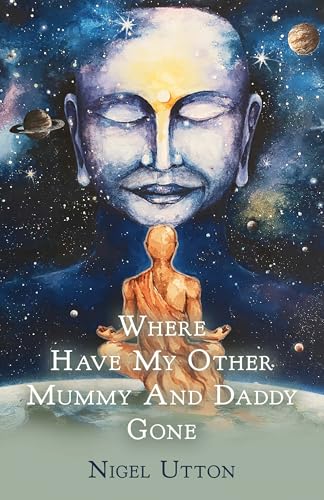
Nigel Utton’s first book
“Where Have My Other Mummy and Daddy Gone”
is a spiritual travelogue exploring the author’s journey into past lives, early childhood trauma, karma and, ultimately spiritual growth and redemption.
Nigel both describes his own journey and relates it to the many past life regressions he has conducted with clients. We travel from ancient Greece and Egypt to the horrors of the Shoah and life in a small English town in the twentieth century.
What other Authors say
Nigel Utton recounts an engaging series of experiences which led him from a very traditional, English upbringing to being able to consider the world with a much broader acceptance for aspects of metaphysics. His Short chapters provide down-to-earth instances of his journey that almost everyone will find engaging and relatable. Highly recommend for his terse writing and personable voice. I felt as though I got to know him through his journey.
Amrita Rose, Author of “No Plaid Suits: How not to have a boring, normal life.”
Where Have My Other Mummy and Daddy Gone by Nigel Utton is an evocative and deeply personal exploration of the soul’s journey through trauma, healing, and spiritual awakening. The book invites readers on a transformative odyssey as the author confronts painful memories, unresolved past lives, and childhood wounds—guided by past-life regression and the power of ayahuasca. The narrative is powerful and raw, as Utton courageously opens up about his struggles with pain and loss. At the heart of the book lies a universal question—one that reaches beyond time and space: What happens when we die, and what if our souls endure across lifetimes?
Charnjit Gill author of “Pray Tell”
Where Have My Other Mummy and Daddy Gone is both a memoir and a study in past-life regression. It chronicles a journey which began when Nigel Utton’s son asked: “Where have my other mummy and daddy gone?” His pursuit of answers sent Utton on a challenging voyage of discovery that wound through such diverse subjects as plant medicine, family abuse, ancient Egypt, medical conundrums, and more. Readers who join Utton on this search for insight and truth will find startling contrasts between his original intentions in undertaking a past life regression mission and insights which emerge in unexpected ways: At the start of the ceremony we went around the circle before the Ayahuasca was given, I said that surrender was my purpose for being there. After the usual silence, then prayers, Ayahuasca began to reveal herself. For the first time I was aware that I was talking to an actual being. She had no physical form and communicated telepathically. She asked me my intention and I stated that it was to learn to surrender. She said, “No, it isn’t. You want to know in what ways you were sexually abused.” Who was I to argue? I agreed and said I did want to know that. She said, “Are you sure?” I could see no reason not to be, after all I had been working on it for thirty years of counselling. As he embraces philosophical, spiritual, and psychological alternatives and new truths, Utton comes to guide others’ sessions, learning how to extract the nuggets of information, insight, and past influence that lead to better recovery, healing, and transformation. Why care about past life regression? Anyone interested in probing past influence and life decisions will find these outcomes of special interest: I went into the life of Konrad Schäfer agreeing that I would live through the second world war as a person who would inflict pain and suffering – even murder – on large numbers of other humans. I went into that life deliberately so that I would learn what it was like. I knew that when that life had finished I would have to pay back the karma of causing that much suffering and that I would have to bear equal pain in my subsequent life. It was all part of the plan. Fortunately, I came out of that learning with a clear knowledge that unconditional love is far better for all concerned than inflicting suffering and pain. Just as we need to know darkness to see the light, so, in our past lives we have given and received pain in order to truly know the need for forgiveness and unconditional love. Libraries that seek books able to clearly draw connections between past life regression therapy and its therapeutic results will find Where Have My Other Mummy and Daddy Gone a standout—particularly because the author’s background and profession lends thought-provoking analysis to the experience that isn’t present in competing books on the subject. Readers will find Where Have My Other Mummy and Daddy Gone vivid, thoroughly engrossing, and especially important in connecting the dots between past lives and present-day choices and outcomes. The results of many of these connections will also drive book club discussion groups with spirited topics about life’s impact and the meaning of its experiences: I am increasingly allowing myself to feel the joy of existence in this earthly realm. Patterns creep back in to pollute my mind with distress, and certain situations re-stimulate old hurts and trigger me. But then I remember the words of Ram Dass – “this too shall pass.”